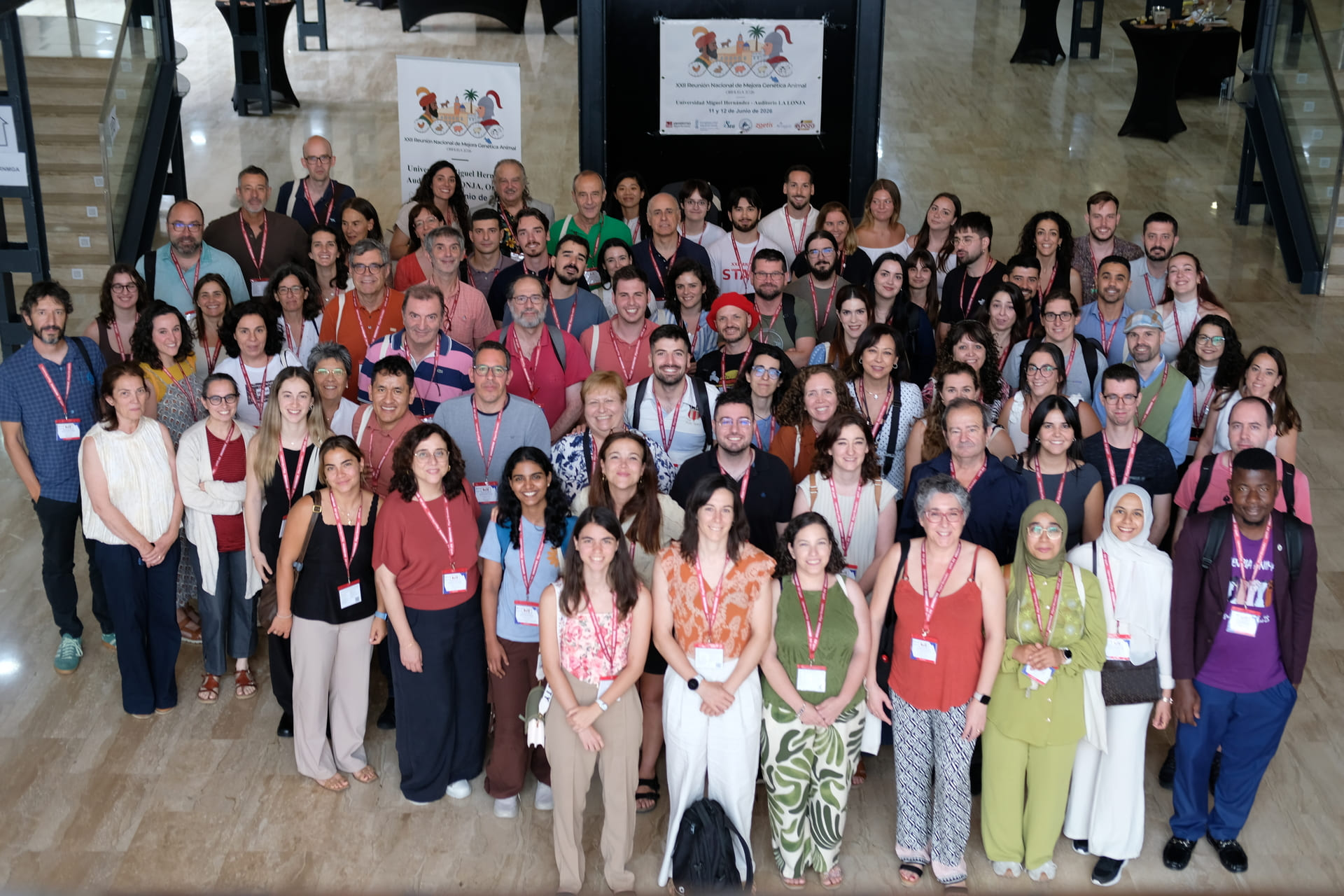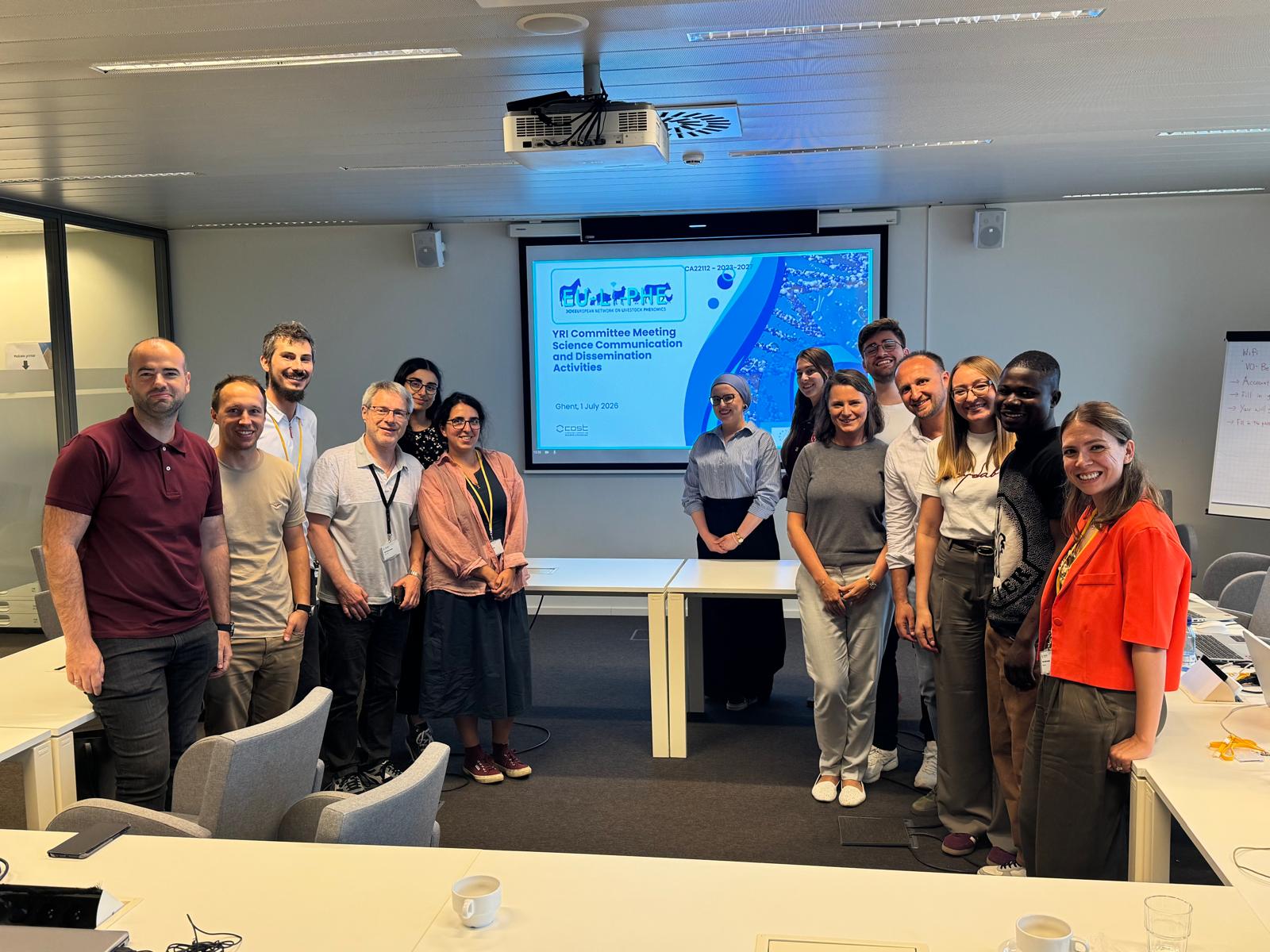
Supporting Young Researchers and Innovators (YRIs) is a central part of EU-LI-PHE’s mission to build a connected, skilled and sustainable European community in livestock phenomics. During Grant Period 3, EU-LI-PHE supported 13 young researchers through YRI Conference Grants, enabling them to present their work at major international scientific meetings, receive feedback from leading experts, build new collaborations and strengthen their position within the global animal-science community.
The grants supported participation in three major international conferences across the United States, Germany and Türkiye: the World Congress on Genetics Applied to Livestock Production (WCGALP 2026) in Madison, the 77th Annual Meeting of the European Federation of Animal Science (EAAP 2026) in Hamburg, and the 7th International Enzyme and Bioprocess Days (EBDays 2026) in Trabzon.
EU-LI-PHE at WCGALP 2026 in Madison, WI
Five EU-LI-PHE YRIs travelled to Madison, Wisconsin, from 12 to 17 July 2026 to participate in WCGALP, one of the major international meetings in animal genetics and breeding.
Adrián Halvoník, from the Slovak University of Agriculture in Nitra, presented his research on balancing selection in sheep, connecting genomic approaches with genetic diversity, conservation and improvement of local breeds.
Carlos Hervás Rivero presented his doctoral research on genetic load associated with inbreeding in livestock populations, with particular emphasis on Mendelian decomposition approaches for understanding the contribution of ancestral genetic load to reproductive performance in rabbits.
Gabriela Cieleń, from Poznań University of Life Sciences, presented “Consistent litters or a genetic lottery? The genomic drivers of litter size variability in Landrace pigs”, receiving feedback from quantitative genetics experts relevant to the further development of her models and future publications.
Natalia Pycińska, also from Poznań University of Life Sciences, presented research on the use of a cortisol-related metabolomic signal as an indicator trait in Iberian pig breeding programmes, combining a scientific poster with a short pitch in the “Genetics of Resilience” session.
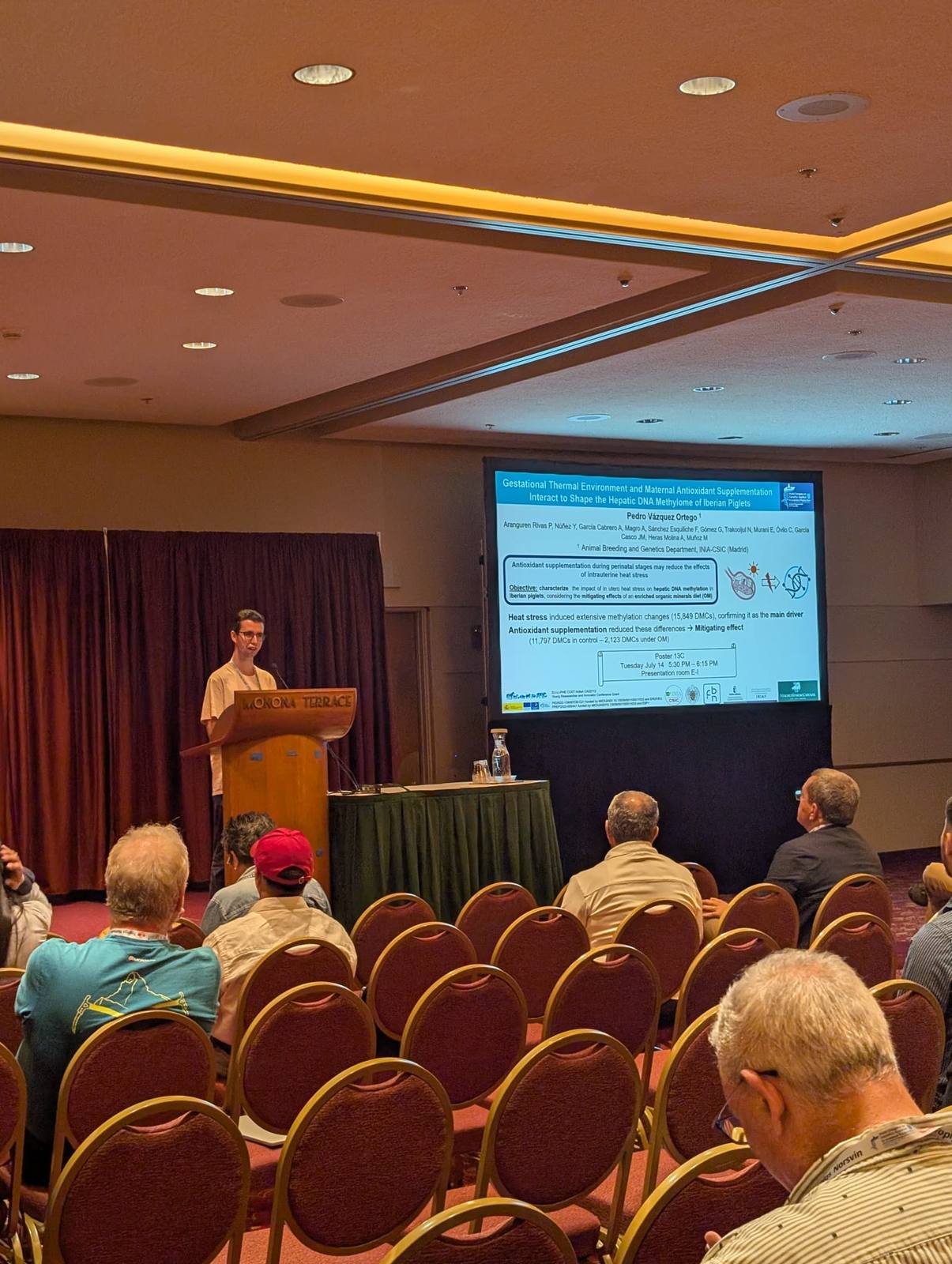
Pedro Vázquez Ortego, from INIA-CSIC in Madrid, presented his work through a pitch in the Non-Additive and Epigenetics session and a scientific poster. Beyond presenting his research, participation gave him access to sessions on multi-omics, swine genetics and epigenetics, as well as a dedicated Career Development Workshop for Early Career Scientists. He also established contacts with researchers from institutions including the Roslin Institute and the University of Guelph.
Across these five grants, WCGALP provided much more than an opportunity to present results. EU-LI-PHE YRIs were able to discuss their research with internationally recognised experts, receive methodological feedback and establish connections relevant to future collaborations, data sharing and career development.
A strong YRI presence at EAAP 2026 in Hamburg
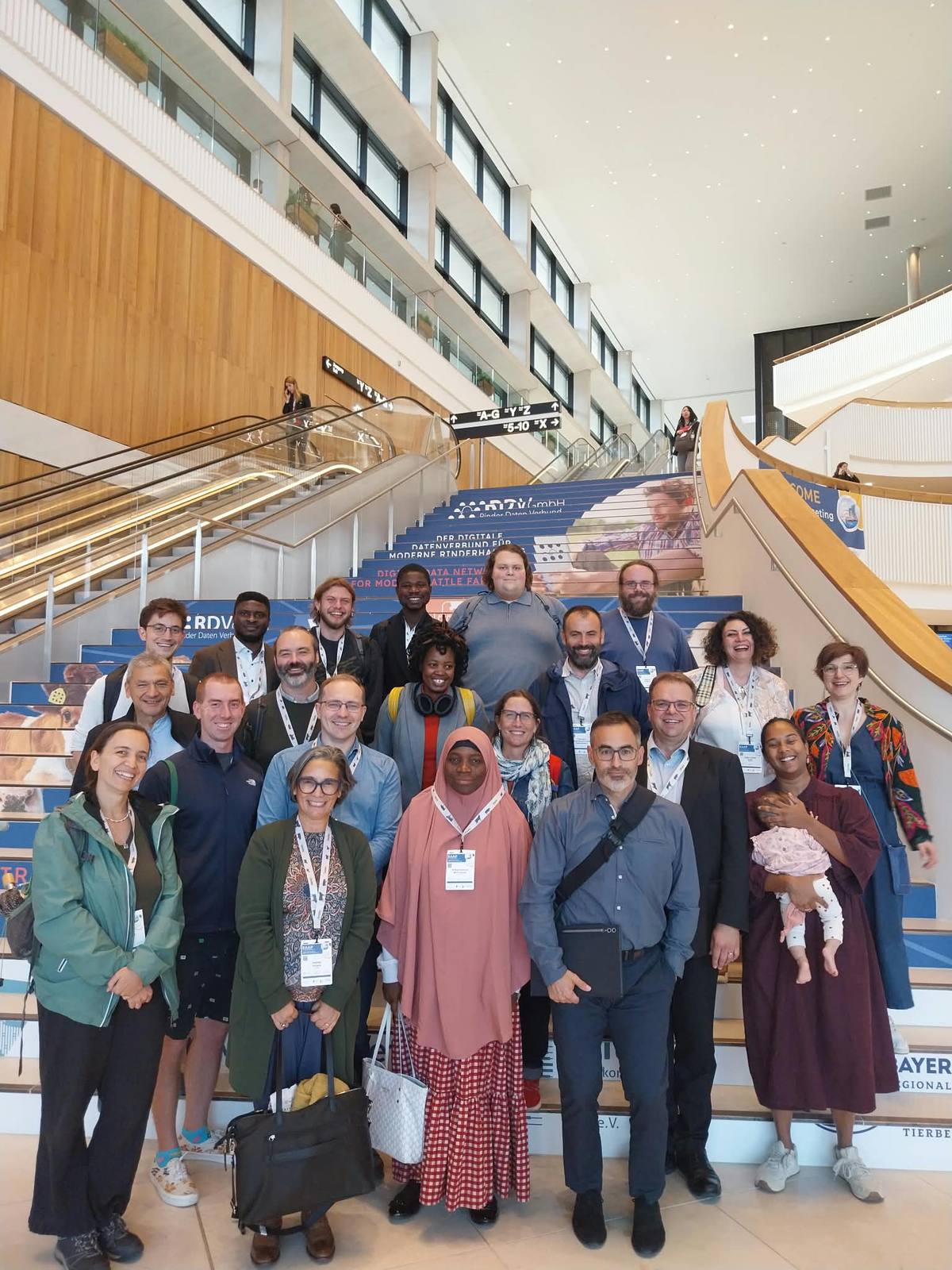
EU-LI-PHE supported another seven young researchers to participate in the 77th EAAP Annual Meeting, held in Hamburg in September 2026.
Alexander Leonard from ETH Zurich presented his research and software development work to the wider animal-science community. Discussions generated interest from potential users of the software and opened possibilities for further optimisation and testing on independent datasets. His participation also connected directly with EU-LI-PHE activities through the WG2 Meeting for the Preparation of Deliverables and discussions around machine-readability and open sharing of large datasets.
Carmen Winters delivered two oral presentations addressing innovative welfare phenotypes: “Social touch as a positive welfare phenotype in livestock: a cross-disciplinary synthesis of sensory and behavioral evidence” and “Human classification of pig vocalizations shows limited context-independent emotional structure”. Her contributions connected animal welfare and behaviour with digital phenotyping and precision livestock science.
Manuel Sánchez Díaz, a PhD candidate at the University of Zaragoza, used the meeting to present and discuss research related to his doctoral work on the genetic improvement of laying hens, while gaining exposure to recent developments in animal breeding, genetic evaluation and livestock phenomics.
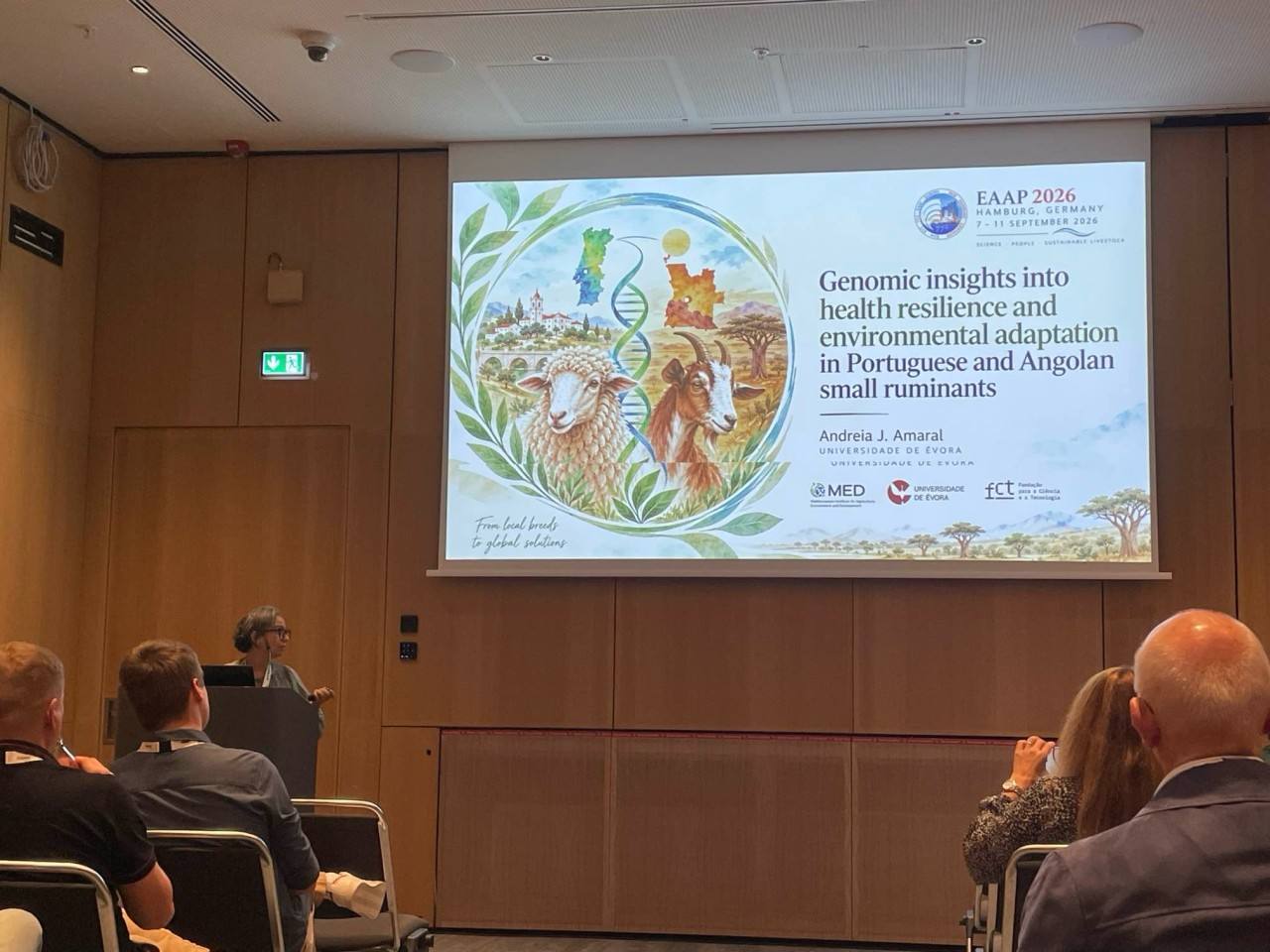
María del Pilar Torralbo Muñoz, from the University of Córdoba, delivered an oral communication entitled “Comparison of classification models to estimate lifetime productivity of Murciano-Granadina goats from first-lactation records”, bringing together livestock phenotyping, data analysis and decision-support approaches.
Nateela Shoukat, from the Norwegian University of Life Sciences, presented a poster on heritabilities of nitrogen use efficiency and nitrogen loss in Norwegian Red cows across lactation. Particularly importantly, EAAP was her first international conference as a first-year PhD student, allowing her to discuss her findings with researchers studying nitrogen-use efficiency across different species and disciplinary perspectives.
Pedro Nuñez Romano, from Universitat Politècnica de València, presented research on social genetic effects in group-housed pigs, using data from automatic feeding systems to investigate social interactions and their implications for genetic improvement.
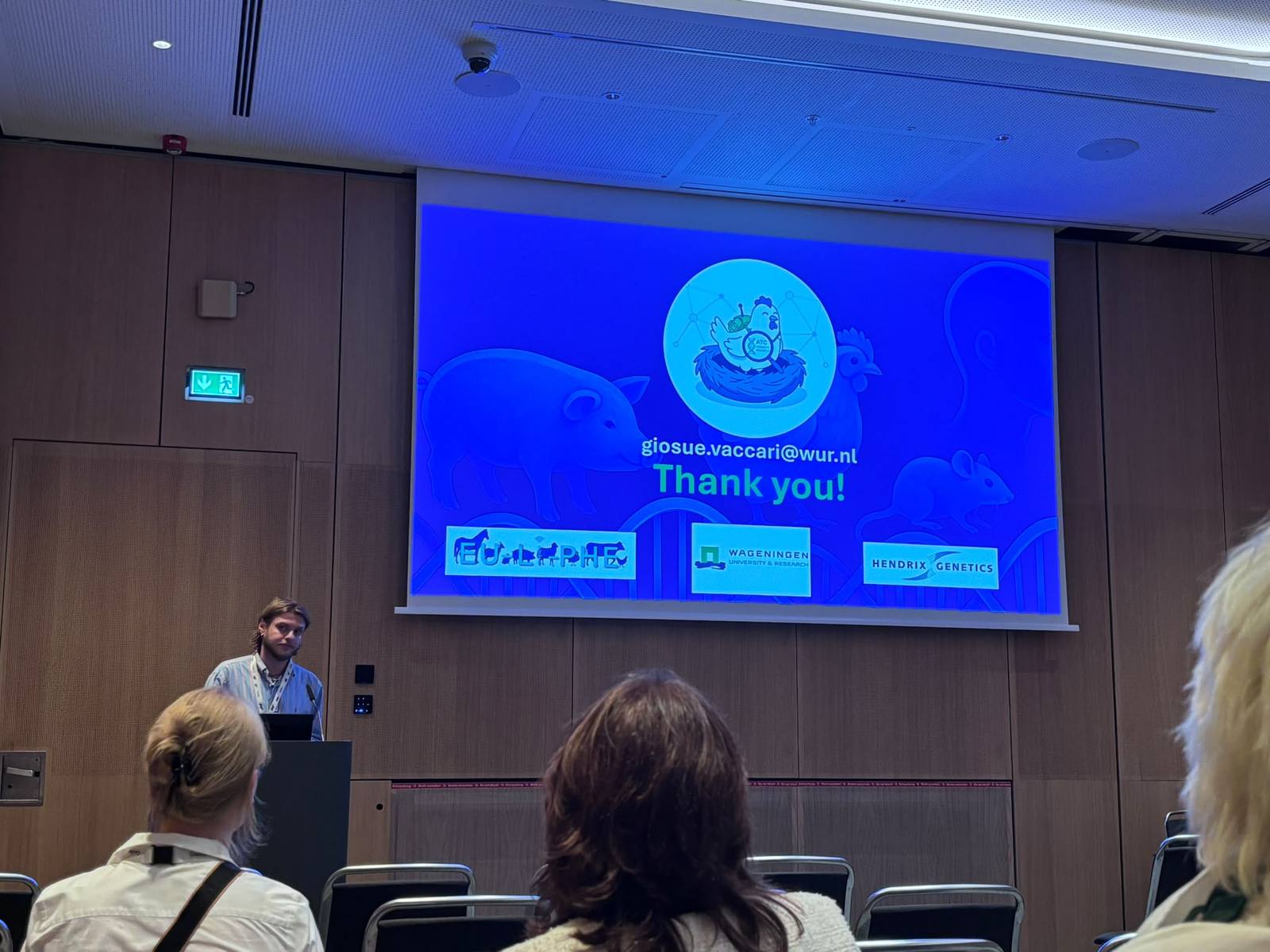
Finally, Samuel Agyabeng, from the University of Bologna, presented research combining untargeted metabolomics and machine learning to identify biomarkers of systemic metabolic responses in heavy pigs exposed to seasonal extremes, demonstrating the increasingly interdisciplinary character of modern livestock phenomics.
Connecting structural biology and livestock phenomics at EBDays 2026
EU-LI-PHE also supported Ayse Mina Arslanbas from Karadeniz Technical University to participate in the 7th International Enzyme and Bioprocess Days in Trabzon, Türkiye, in August 2026.
She presented “Unraveling the Structural Basis of Bovine Milk Quality: a Computational Modeling and Molecular Docking Approach on the acyl-CoA:diacylglycerol acyltransferase-1 K232A Variant”. Her research investigated the molecular basis of the DGAT1 K232A variant, an important genetic factor affecting bovine milk fat yield, using homology modelling and molecular docking. Participation enabled her to bring a livestock genomics question into dialogue with the structural biology and bioprocess communities, receive methodological feedback and establish new interdisciplinary contacts.
More than conference attendance: investing in young researchers
The scientific diversity of these 13 grants reflects the breadth of EU-LI-PHE itself. The supported research ranged from genomics, quantitative genetics and animal breeding to welfare phenotyping, metabolomics, spectroscopy, computational modelling, machine learning and data-intensive livestock science.
Yet the purpose of the YRI Conference Grant scheme goes beyond disseminating individual research results. For researchers at an early stage of their careers, presenting at a major international conference means receiving direct scientific feedback, learning how their work fits into a broader research landscape, meeting potential collaborators and gaining the confidence and visibility needed to become active members of an international scientific community. Several of the supported researchers reported concrete new contacts, possibilities for scientific exchanges, interest in their methods or software, and new perspectives that will directly influence their ongoing doctoral and postdoctoral research.
This is precisely why EU-LI-PHE places Young Researchers and Innovators at the heart of the Action. By reducing financial barriers to international participation and creating opportunities for young scientists to present, discuss and challenge their work beyond their home institutions, EU-LI-PHE helps transform mobility into skills, visibility, networks and future collaboration.
With 13 YRI Conference Grants supporting participation at three international conferences in 2026, the Action is not only disseminating advances in livestock phenomics; it is also investing in the researchers who will shape the future of the field.