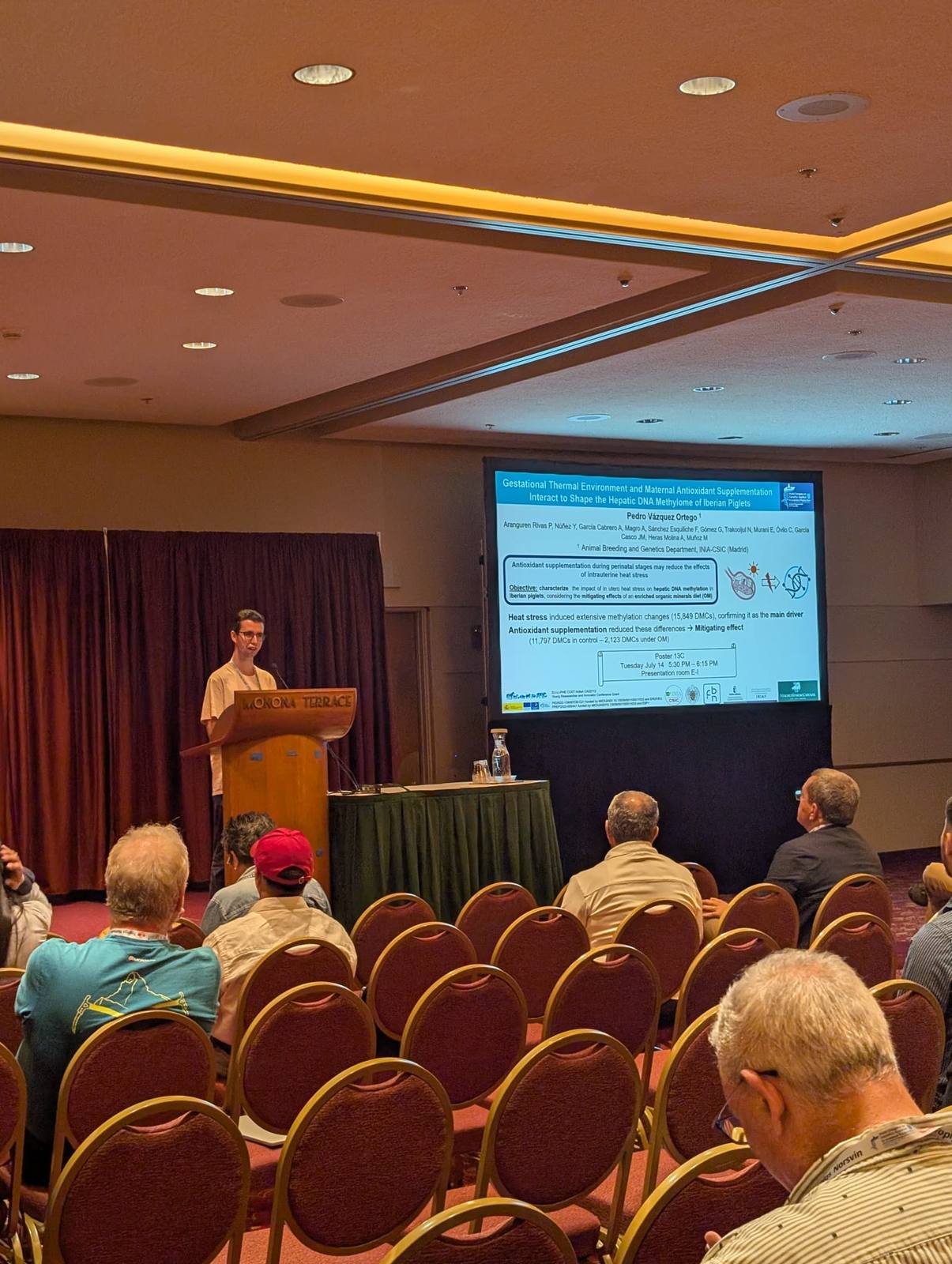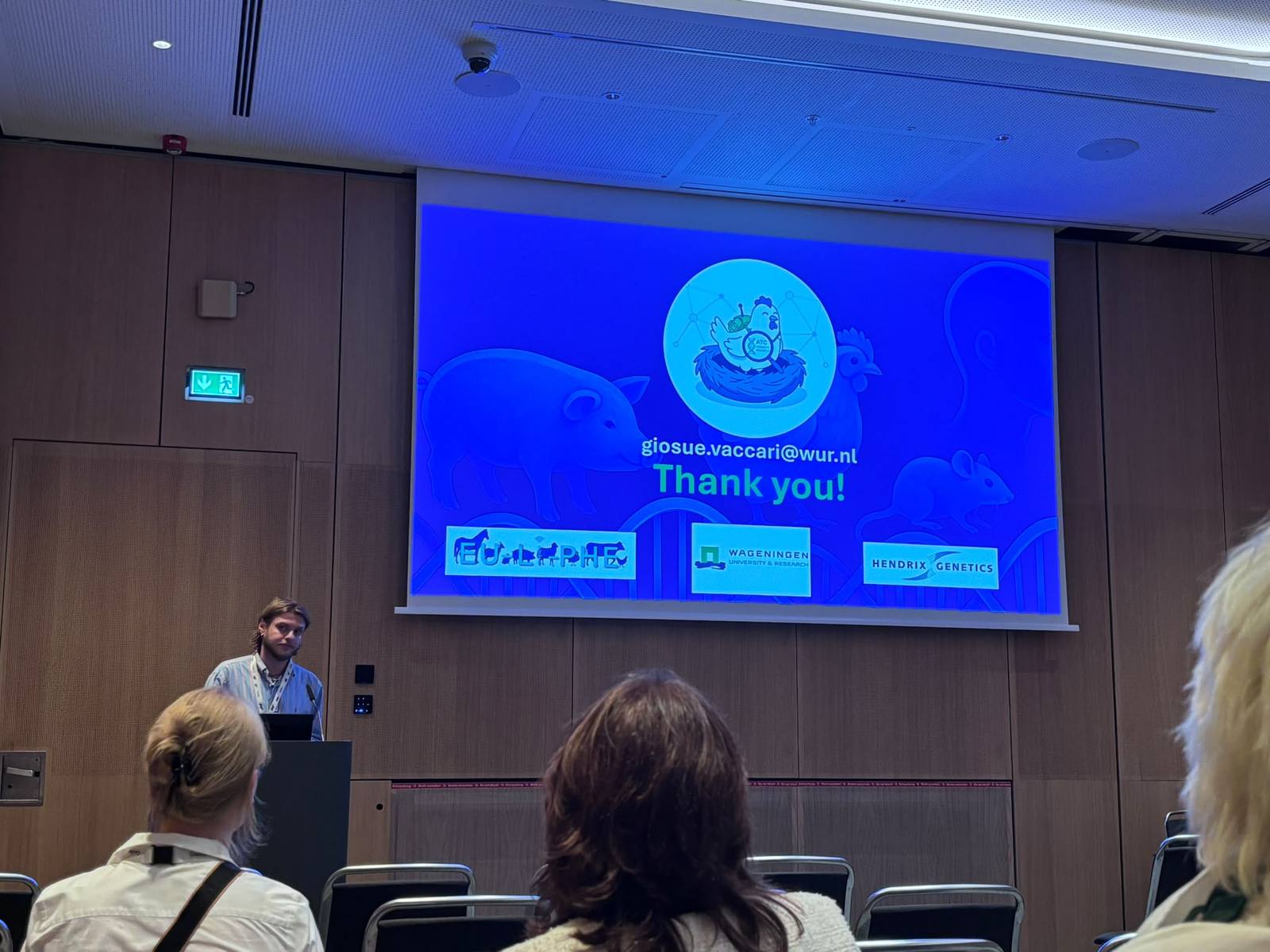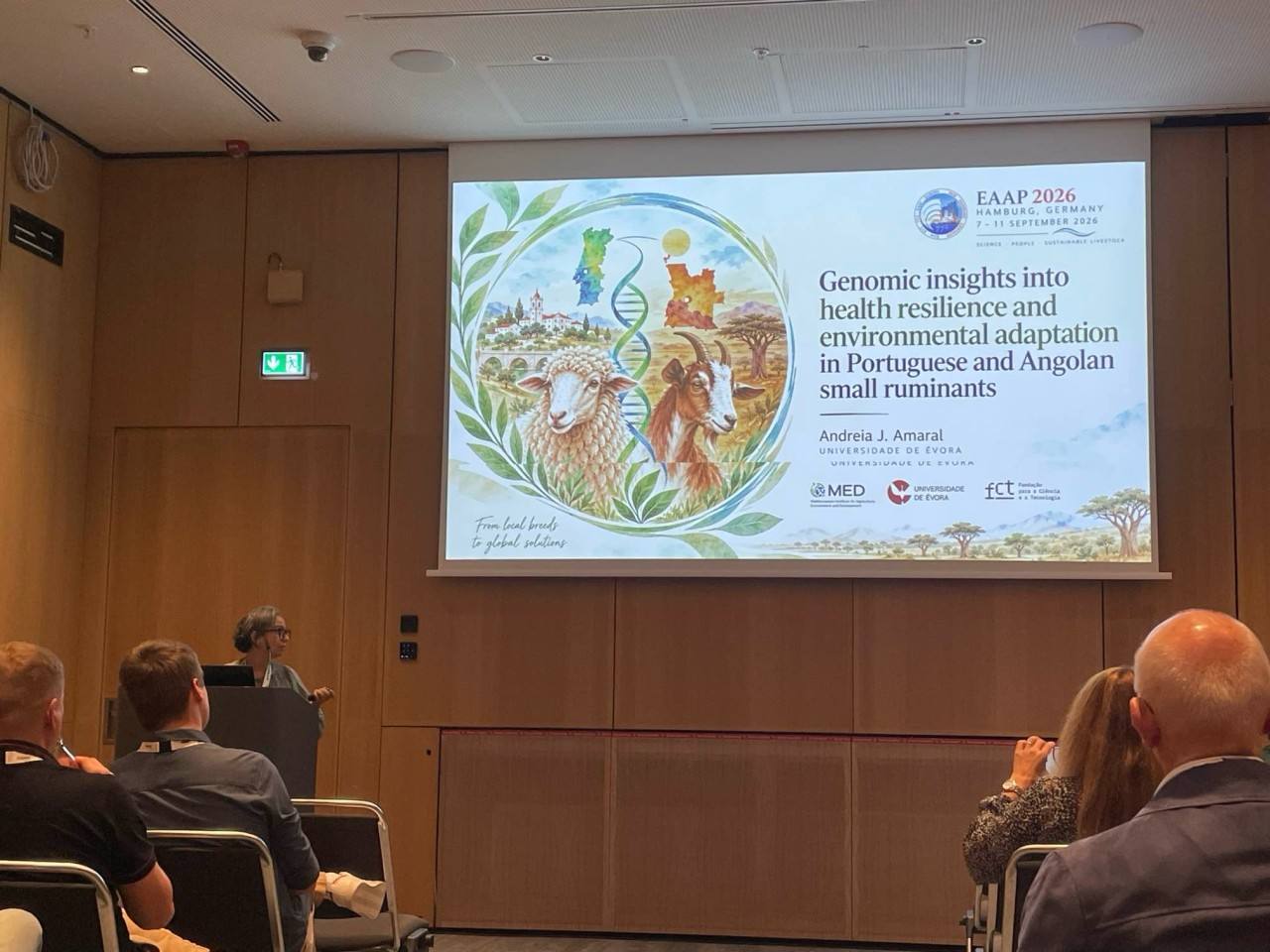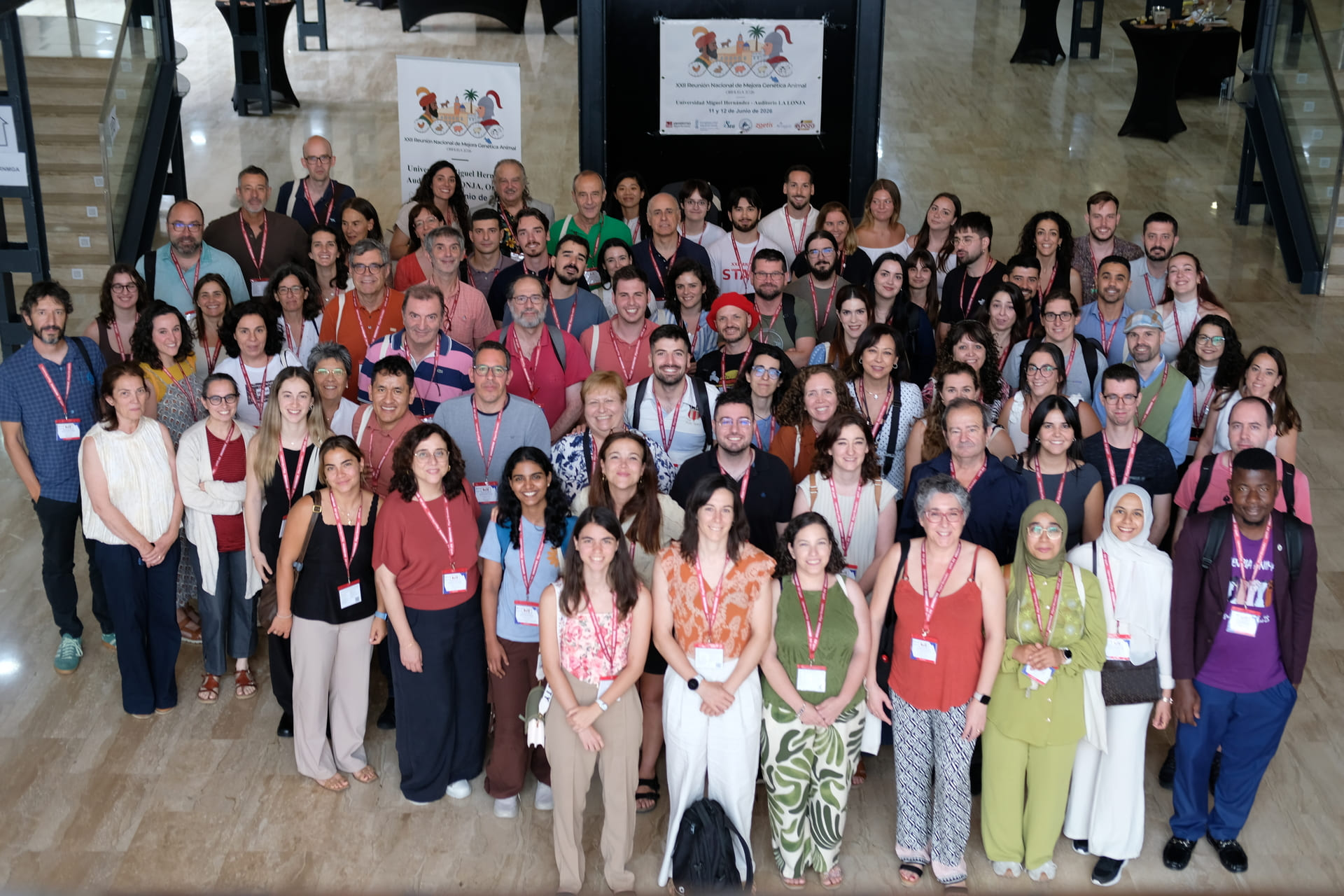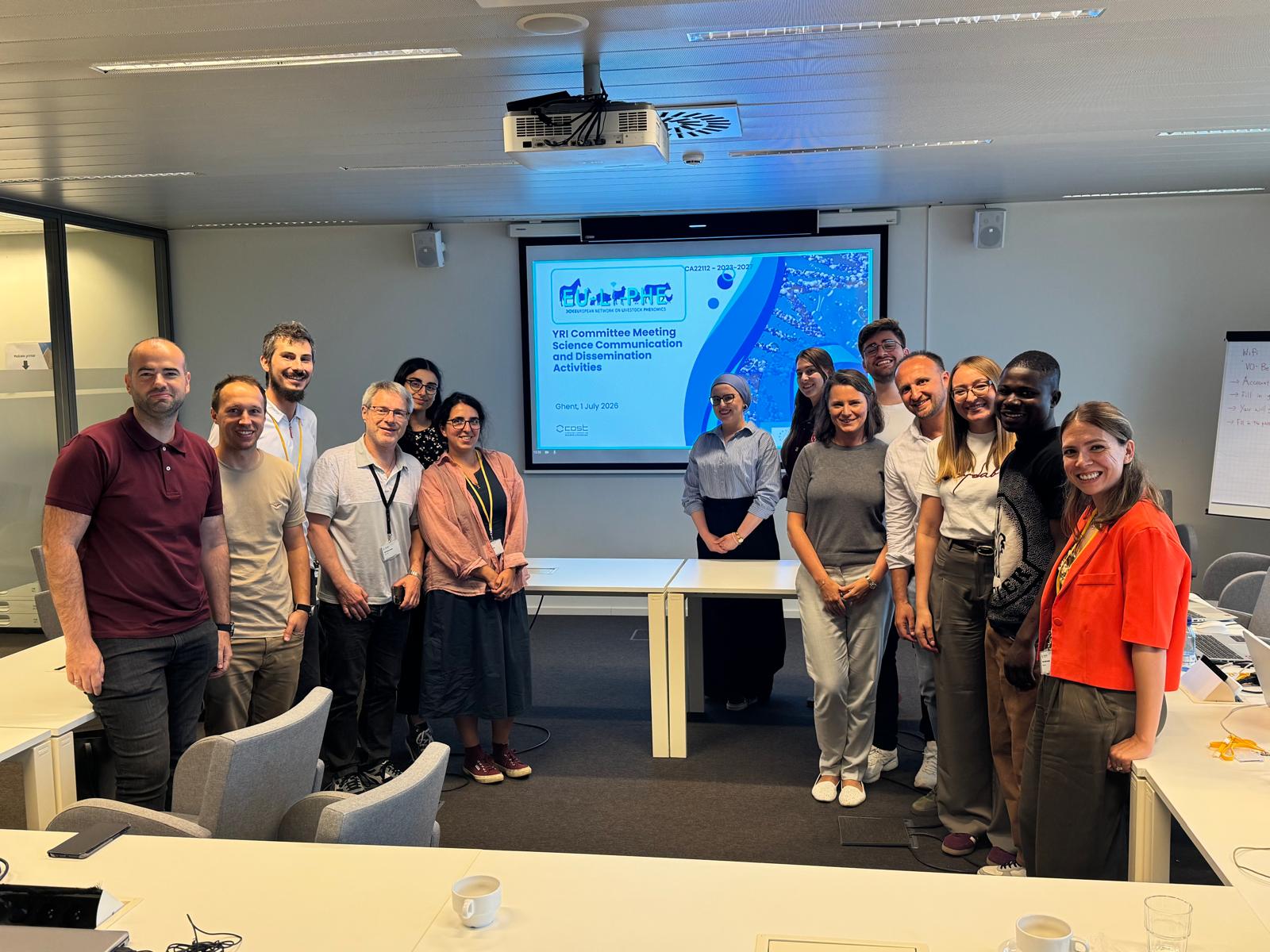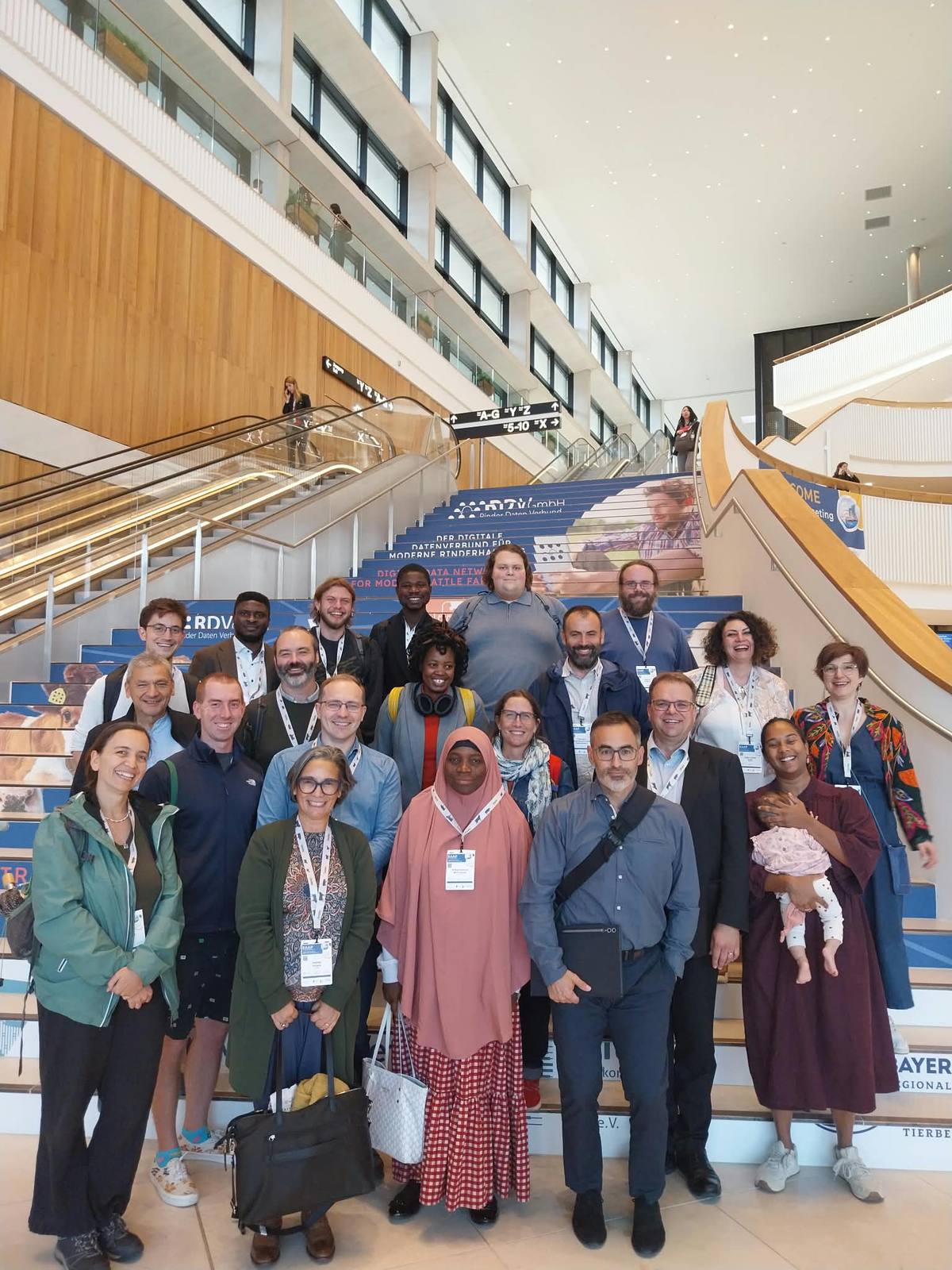
EU-LI-PHE continues to strengthen its international visibility by supporting Action members in disseminating the network’s work at leading scientific events. During the summer of 2026, Dr. Giuseppina Schiavo from the University of Bologna, member of EU-LI-PHE WG3 and WG4, represented the Action at two major international events in Ghent and Hamburg, connecting livestock phenomics with artificial intelligence, data science and responsible innovation.
AI, animal science and new skills in Ghent
From 29 June to 3 July 2026, Giuseppina participated in the AI4Animal Science Conference and associated Summer School in Ghent, Belgium, supported by an EU-LI-PHE Dissemination Grant. She presented EU-LI-PHE to an international multidisciplinary audience, highlighting the Action’s contribution to livestock phenomics through collaboration, data integration and standardisation, genome-to-phenome approaches, computational methodologies and the responsible use of emerging technologies.
The Summer School also provided hands-on training in computer vision and machine learning for animal science, including data annotation, model training and evaluation, inference and deployment. The activity strengthened Giuseppina’s expertise at the interface of bioinformatics, livestock science, phenomics and AI, while expanding her network among researchers working in AI and precision livestock farming.
Taking EU-LI-PHE to EAAP 2026 in Hamburg
A few months later, from 7 to 12 September, Giuseppina represented EU-LI-PHE at the 77th EAAP Annual Meeting in Hamburg, Germany, again supported through a Dissemination Grant.
During Session 81, “Ethics, Data Management and Data Standardization in PLF with the future of AI,” she introduced EU-LI-PHE’s multidisciplinary structure, scientific objectives, activities and networking opportunities, with particular emphasis on data standardisation and interoperability, FAIR principles, computational approaches, and ethical and responsible AI in livestock phenomics.
The session brought together representatives from research, livestock organisations and industry and highlighted the importance of shared standards and interoperable approaches for translating data-driven innovation into improved livestock management. Giuseppina also participated in an EU-LI-PHE Working Group meeting organised during EAAP, directly connecting discussions at the conference with ongoing Action activities and deliverables.
One researcher, two events, broader impact
Together, the two activities demonstrate how EU-LI-PHE Dissemination Grants combine visibility with capacity building. From acquiring new AI and machine-learning skills in Ghent to engaging with the wider animal-science, industry and data-governance communities in Hamburg, Giuseppina’s participation strengthened both her own interdisciplinary expertise and EU-LI-PHE’s presence within the international livestock research community.
The contacts and perspectives gained through these activities also create opportunities for future collaborations and strengthen ongoing EU-LI-PHE work on computational methodologies, data interoperability, standardisation, responsible AI and scientific dissemination.