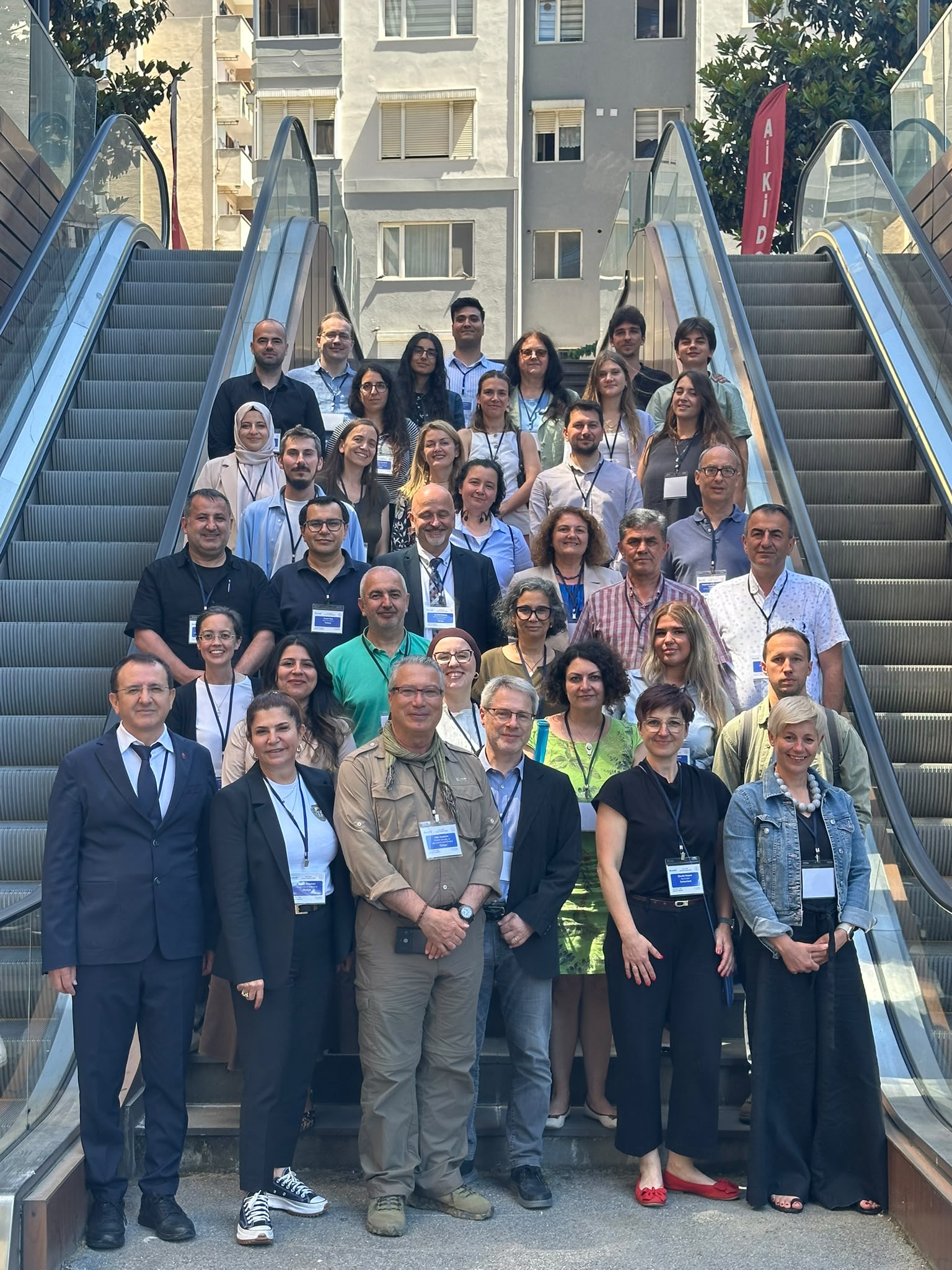
The third annual meeting of the EU-LI-PHE COST Action (CA22111) was successfully held on 10–11 June 2026 in Istanbul, Türkiye. It brought together researchers, industry representatives, policymakers and young innovators from across Europe.
The two-day event gathered experts from a wide range of scientific disciplines working at the intersection of animal breeding, phenomics, genetics, digital technologies and precision livestock farming. Through scientific presentations, working group discussions and networking activities, participants exchanged knowledge, explored emerging technologies and discussed future directions for collaborative research within the EU-LI-PHE network. The scientific programme opened with presentations from Turkish institutions and researchers, discussing national initiatives and recent advances in livestock research and development. Topics included breeding programmes for Anatolian water buffalo, sustainable small ruminant production, genetic resources of local sheep breeds, host-microbiome interactions in dairy cattle, and the application of artificial intelligence and precision monitoring technologies in poultry production. These presentations pointed out the strong scientific capacity of the Turkish research community and encouraged further engagement of Turkish institutions within the EU-LI-PHE network. The second scientific session focused on European perspectives and stakeholder engagement. Experts from academia, industry and European organisations presented innovative approaches to responsible animal breeding, phenomic technologies, automated image-based phenotyping, metabolomics, bone quality assessment and advanced genetic prediction methods. Discussions emphasised the growing importance of integrating high-throughput phenotyping, omics technologies and digital tools to better understand complex traits, improve animal health and welfare, and support sustainable livestock production across Europe.
Beyond the scientific programme, dedicated Working Group meetings provided an opportunity to discuss ongoing activities and future priorities within the Action. Particular attention was given to the economic and societal impact of livestock phenomics, regulatory and policy challenges, stakeholder engagement, science communication and dissemination strategies. Participants discussed the importance of translating scientific findings into practical applications that can benefit farmers, breeders, industry stakeholders and policymakers. A central theme throughout the meeting was the increasing role of digitalisation, artificial intelligence and data-driven decision-making in modern livestock systems. Participants recognised that advances in sensor technologies, precision livestock farming and phenomic data collection are creating unprecedented opportunities to improve productivity, sustainability, animal welfare and resilience to environmental challenges.
The second day featured the Management Committee meeting, during which representatives from participating countries reviewed the progress of the Action, discussed future activities and explored opportunities to strengthen collaboration among existing and new members. The meeting reaffirmed the commitment of the network to fostering interdisciplinary cooperation and expanding participation across Europe. An important highlight of the event was the Young Researchers and Innovators (YRI) session, which showcased the work of early-career scientists from several countries. Presentations addressed topics such as behavioural phenotyping in dairy cattle, precision livestock farming technologies, climate-related heat stress, computational approaches to milk quality, genetic evaluation methods and advanced phenotyping technologies in sheep breeding. The session generated lively discussion and demonstrated the high level of innovation and scientific excellence emerging from the next generation of researchers in the field.
The annual meeting concluded with a general discussion and networking session, where participants reflected on key achievements and future opportunities. A strong consensus emerged on the need for continued international collaboration, greater integration of advanced phenotyping technologies, stronger engagement with stakeholders and enhanced support for young researchers who will play a critical role in shaping the future of livestock research.
The 2026 EU-LI-PHE Annual Meeting reaffirmed the importance of international cooperation in addressing emerging challenges and opportunities in livestock research. Through scientific exchange, stakeholder engagement and interdisciplinary collaboration, participants contributed to shaping future research directions and strengthening a European network dedicated to innovation, sustainability and evidence-based decision-making in animal production.