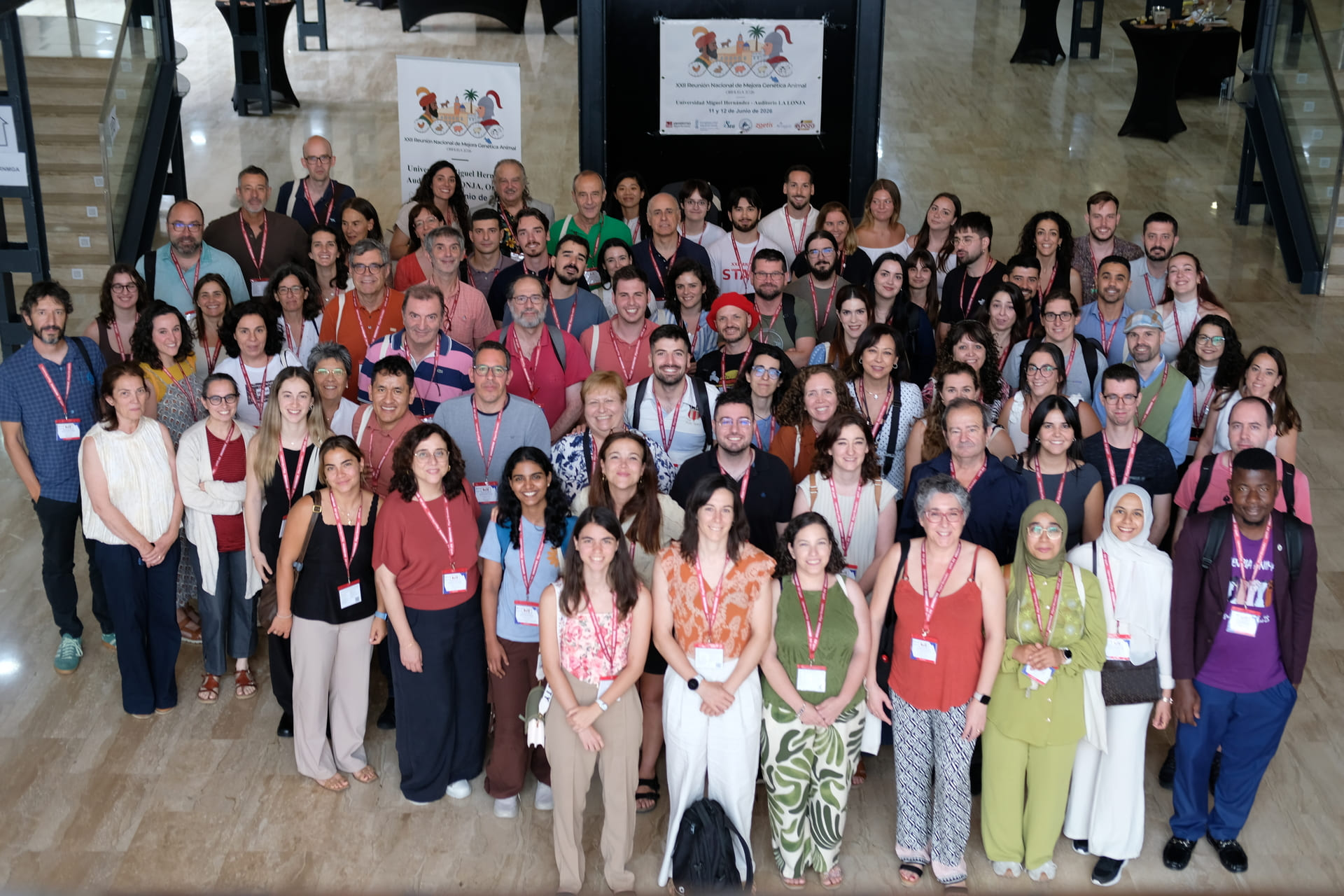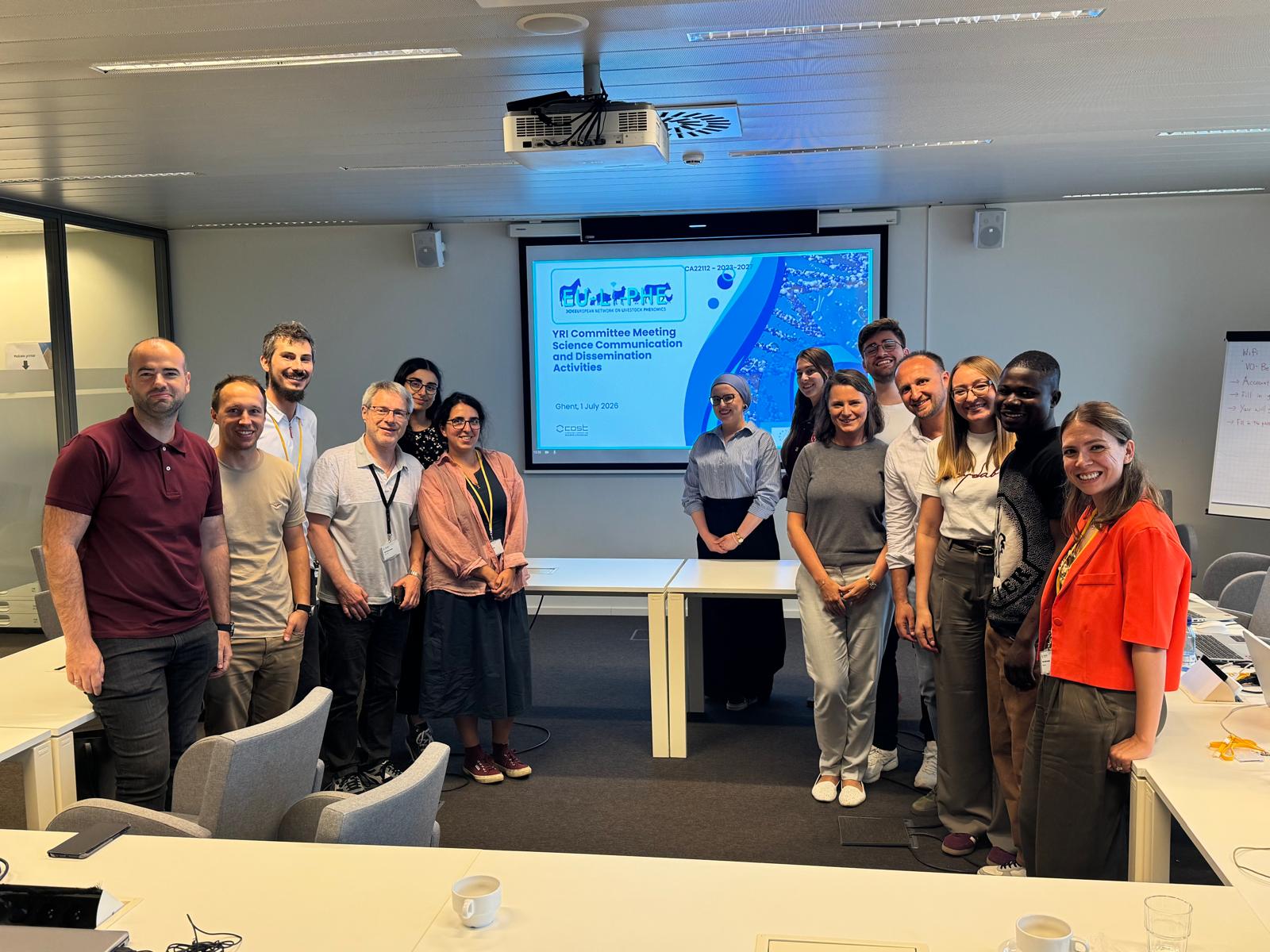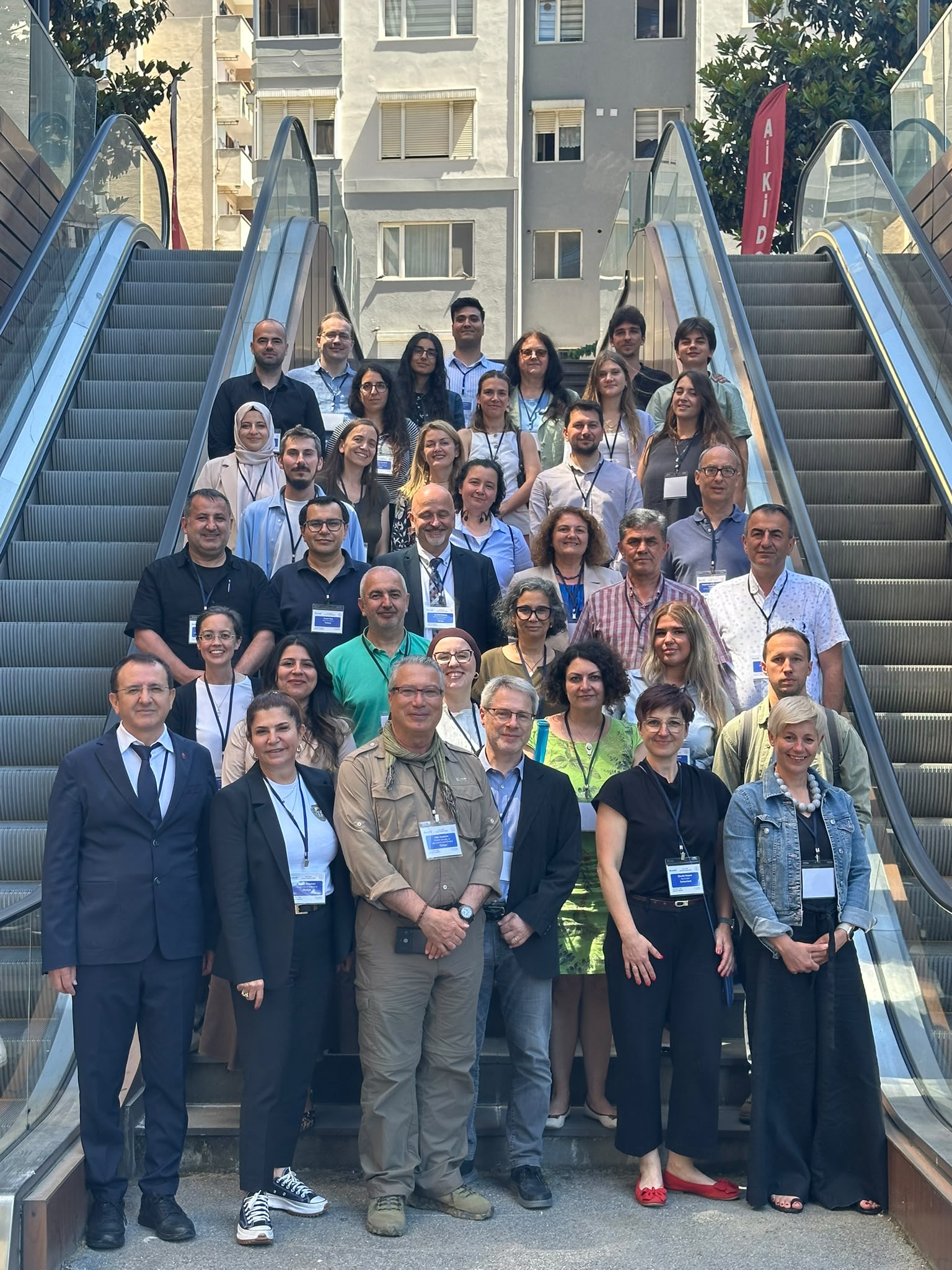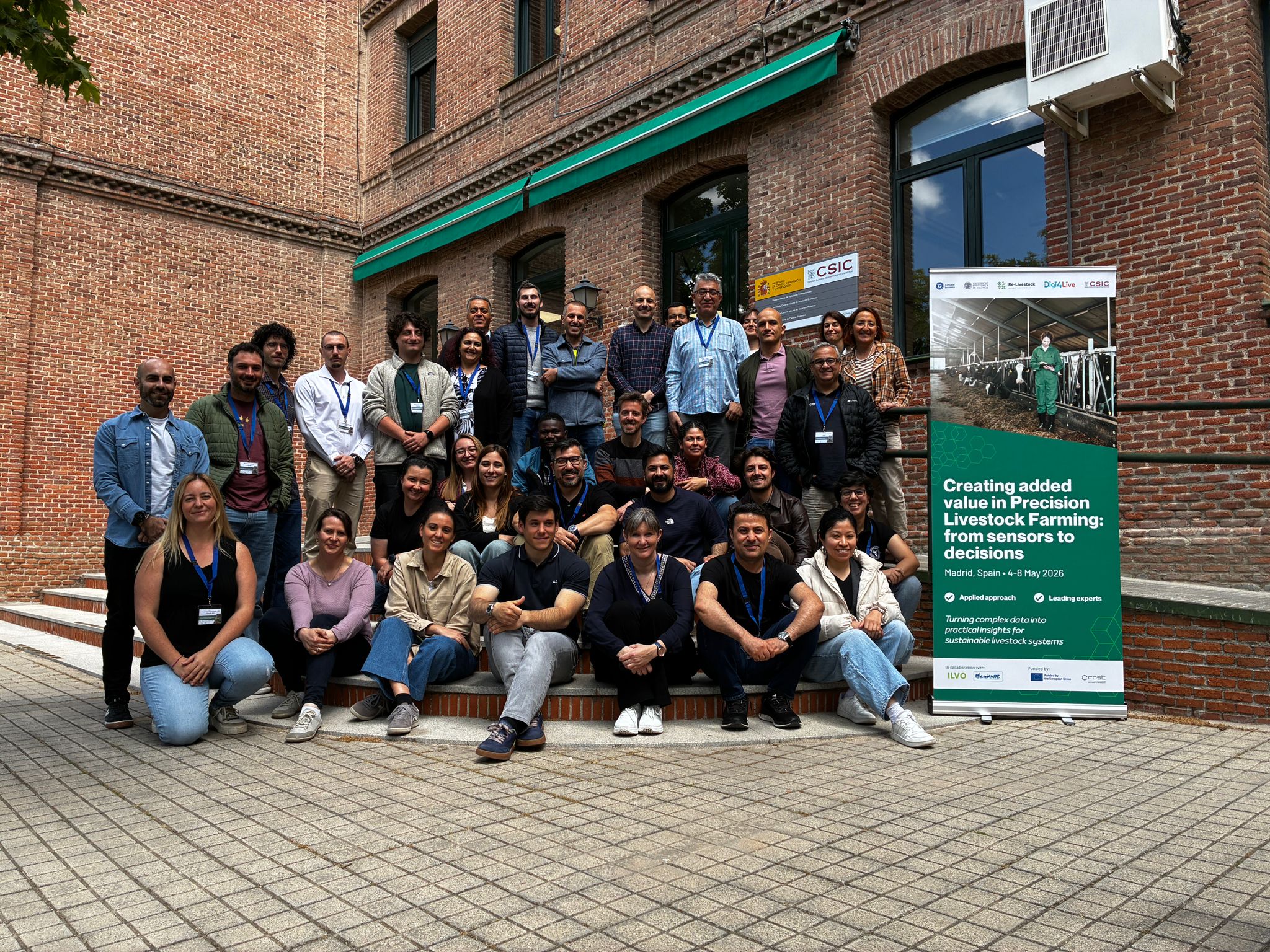
From 4–8 May 2026, researchers supported by EU-LI-PHE participated in the advanced training school “Creating Added Value in Precision Livestock Farming: From Sensors to Decisions”, held in Madrid, Spain. The course was organized by CIHEAM Zaragoza in collaboration with Universitat Politècnica de València, Re-Livestock, Digi4Live, CSIC, ILVO, and EU-LI-PHE.
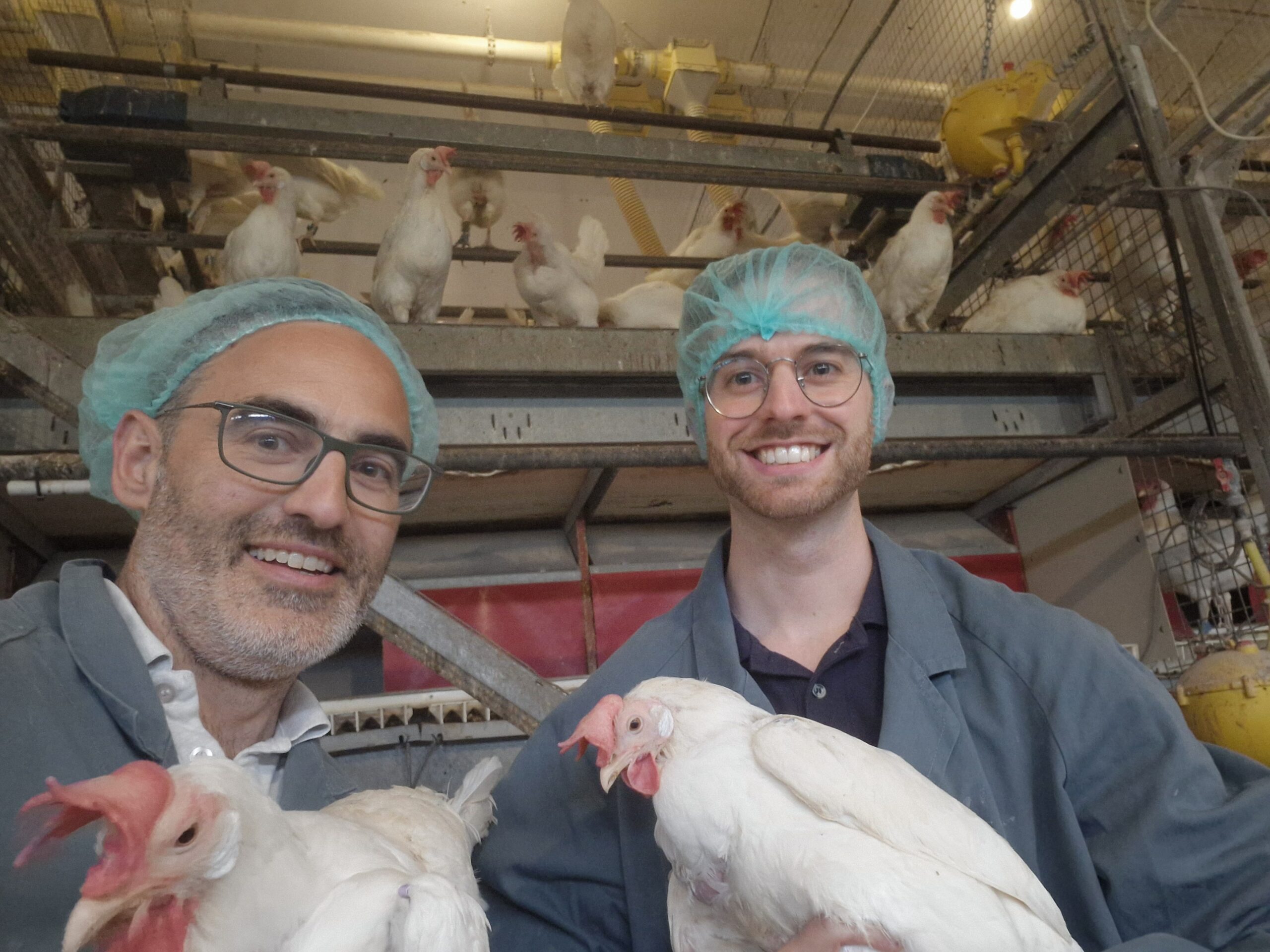
The week-long programme combined lectures, practical sessions, farm visits, and interactive discussions focused on the latest developments in Precision Livestock Farming (PLF), including sensor technologies, artificial intelligence, data management, animal welfare, and decision-support systems in livestock production.
Participants highlighted the strong interdisciplinary nature of the training, bringing together experts from across Europe to explore how research can be translated into practical on-farm solutions. The course also provided valuable networking opportunities and strengthened collaboration across institutions and working groups.
Participant statements
Samuele Bovo (University of Bologna, Italy)
“The course provided a comprehensive understanding of how PLF technologies are developed and applied in real farming conditions. It was particularly valuable for linking phenotypic and genomic data, which is directly relevant to my research in WG2 and WG3. The interdisciplinary exchange broadened my perspective and strengthened opportunities for future collaboration.”
Miel Poelman (ILVO, Flanders Research Institute for Agriculture, Fisheries and Food, Ghent, Belgium)
“I presented my work on RFID and sensor systems and gained valuable feedback from international experts. The course significantly expanded my technical knowledge and professional network, and EU-LI-PHE support made this experience possible.”
Aleksandra Petrović (Institute for Animal Husbandry, Belgrade, Serbia)
“The training helped me better understand how precision livestock technologies can support animal health, welfare, and farm management. It was an important opportunity for networking and gaining insight into technologies that are still not widely used in my country.”
Samuel Agyabeng (University of Bologna, Italy)
“The course provided advanced exposure to PLF technologies, including AI, sensor systems, and data-driven livestock management. It greatly strengthened my PhD research and expanded my international network, while also opening new collaboration opportunities.”
The training school proved to be a highly valuable platform for knowledge exchange, capacity building, and strengthening international cooperation within the field of Precision Livestock Farming.